
Scientists are just now unlocking the mysteries regarding what is the endocannabinoid system. We know the endocannabinoid system is responsible for the balance of physical processes including the immune system, digestive system, reproduction, and more.
That's because it's a vast molecular system that's made up of cannabinoid receptors, molecules, and special cannabinoid processing enzymes. It consequently affects every bodily function we have.
Therefore, we can thank our endocannabinoid system for keeping our bodies running smoothly. Furthermore, humans aren't the only creatures known to have an endocannabinoid system, apparently, it exists in all vertebrates and invertebrates.
Built to Interact with Cannabis
The word "endocannabinoid" means: cannabis type compounds naturally occur inside of the body. Cannabinoid receptors are found in the body's nervous system, digestive system, and in the tissue of every major organ. Ideally, these receptors are kept busy interacting with naturally-occurring cannabinoids (anandamide) that the body can produce from exercise and diet. However, it can also benefit from the cannabinoids in cannabis. It's been shown that a damaged endocannabinoid system can lead to a variety of symptoms specifically related to pain. This presents an opportunity since human bodies are built to interact with cannabis. The cannabinoid receptors (CB1 and CB2) bind with the compounds in the cannabis plant for therapeutic outcomes that complement the body's own ability to heal over time.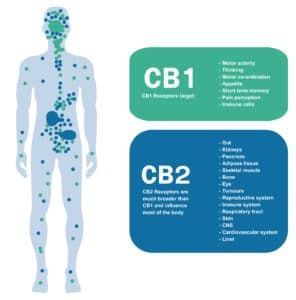
What is the difference between CB1 and CB2 receptors?
It's been established that both CB1 and CB2 are part of the endocannabinoid system in most living things. Even though they both react to cannabinoids, each has unique jobs.- CB1 receptors are found in the tissues of the central nervous system and reinforce the health and wellness of all associated structures.
- CB2 receptors handle processes related to the peripheral nervous system.